
Skip to content
Kaedim

Both sides of a human-in-the-loop pipeline

Kaedim turns a brief into 3D that a real team inspects and approves before it ships. I worked both ends of that: the onboarding and progress a customer sees, and the review queue and automated testing the design team leans on.

kaedim3d.com

Kaedim is not a button that emits a finished model. A brief, a sketch or a reference pack goes in, and what comes out is inspected, marked up and approved by an actual 3D team before a customer sees it. That loop is the product, and it has two sides.

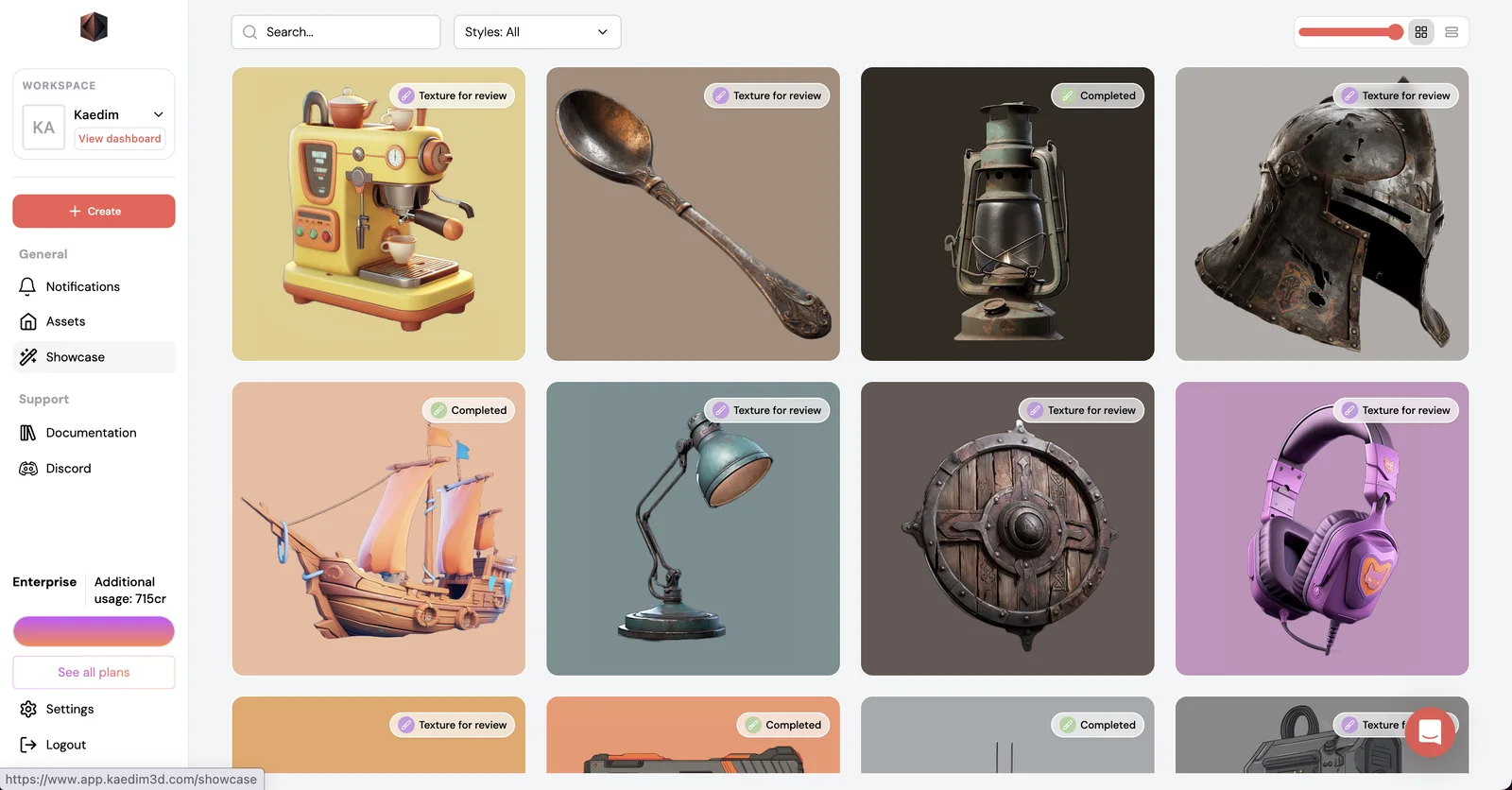
On the customer side I built the onboarding flow and redesigned the customer-facing app, added skeleton loaders so a slow generation reads as progress rather than a frozen screen, and reworked bulk uploads so one bad item stops taking the whole batch with it. Progress tracking so someone can see where their asset actually is.

On the team's side, a review queue for the designers doing the inspecting, and an automated testing pipeline that pushes generated assets through Blender over the Model Context Protocol and fails the bad ones before a human spends attention on them. Fewer bad assets reaching a designer is the whole point.

The handoff itself got faster too. Figma Dev MCP plus the automated tests meant a design became a reviewed implementation without the usual round trip, and I wrote the walkthrough that got the rest of engineering onto it. The team was spread across San Francisco, London and Singapore, and I worked directly with the CEO.
What I shipped

  • Customer onboarding flow
  • Customer-facing app redesign
  • Skeleton loaders for slow generations
  • Bulk uploads that survive a bad item
  • Progress tracking for in-flight assets
  • Internal review queue for the 3D team
  • Blender testing over MCP
  • Figma Dev MCP design handoff
kaedim3d.com
Kaedim: Both sides of a human-in-the-loop pipeline

United StatesUnited KingdomSingaporeTeam across San Francisco, London and Singapore

In the app

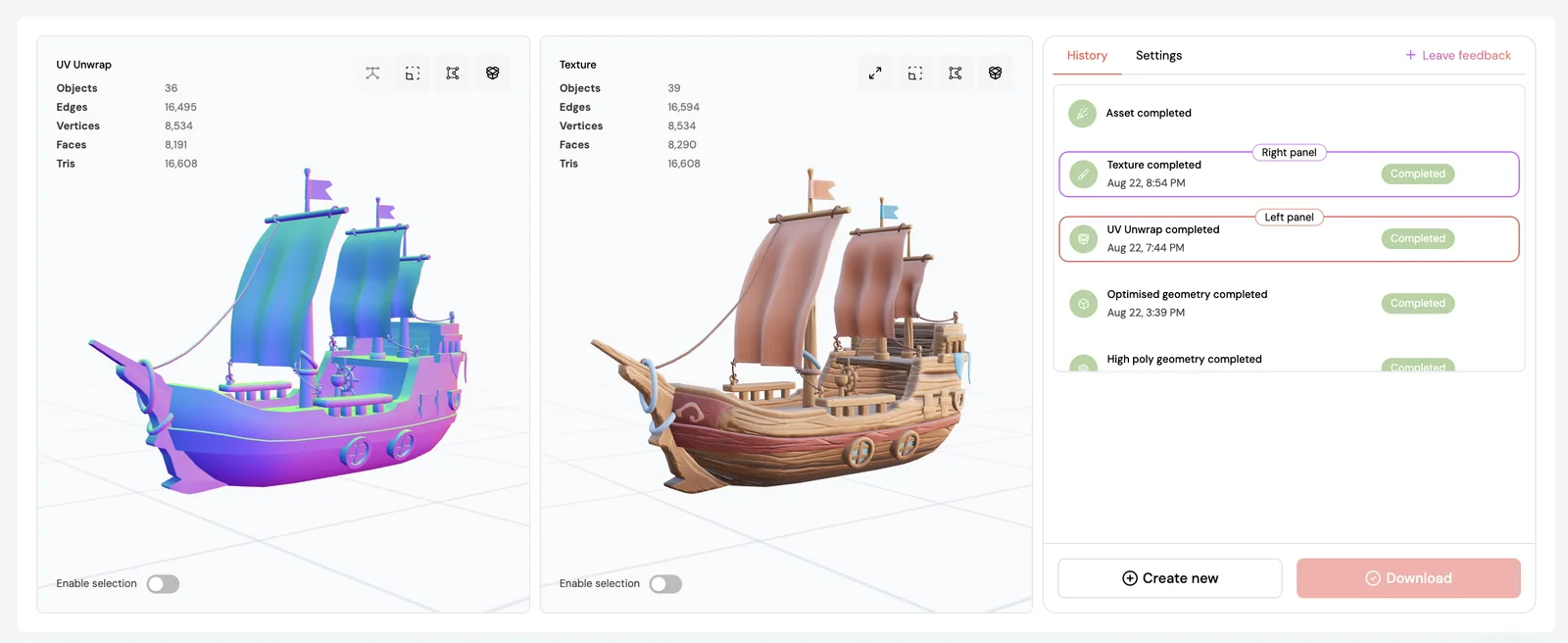
  • UV and texture views, and the stage-by-stage history beside them

    UV and texture views, and the stage-by-stage history beside them

Where it landed

5+ repos

covered by the engagement

2 sides

customer pipeline and internal review queue

Blender + MCP

generated assets tested before designer review

What it taught me

Waiting is a design problem, not a backend one. Nothing about the generation got faster, but a skeleton loader turns a frozen screen into visible progress, and one bad item no longer takes a whole batch down with it. The same idea runs the other way too: failing bad assets automatically means a designer only spends attention on work worth looking at.